
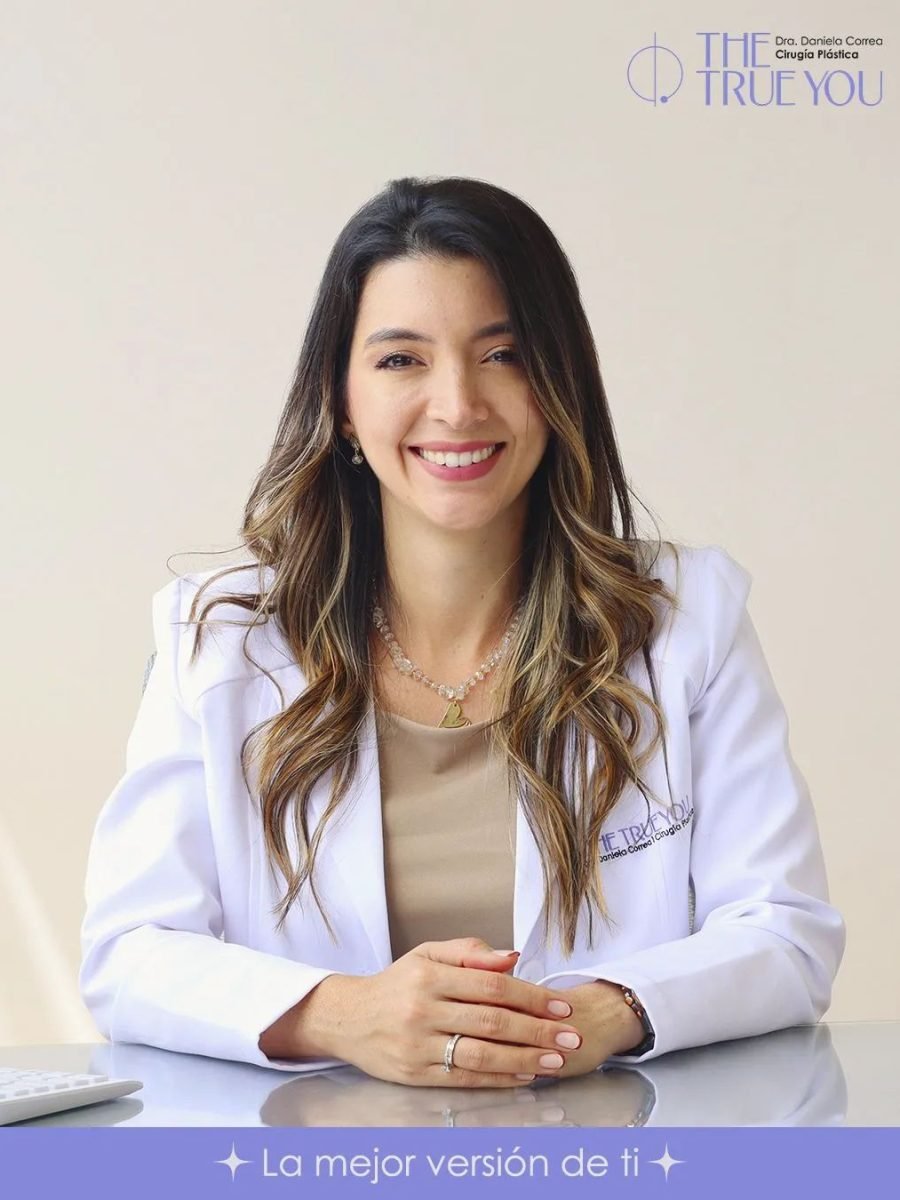
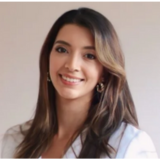
Dr. Daniela Correa
Plastic and Reconstructive Surgeon
Member, Colombian Society of Plastic Surgery (SCCP)
RETHUS-verified · Medellín & Rionegro, Colombia
Written by Dr. Daniela Correa, board-certified plastic surgeon in Medellín
I'm Dr. Daniela Correa, a board-certified plastic and reconstructive surgeon based in Medellín, Colombia. Every week I meet women from the United States who are weighing whether to travel for surgery. Most of them ask me the same things. Is it actually safe? How do I tell a real surgeon from a marketing package? And what does the real price look like once I add flights and recovery?
I wrote this guide to answer those questions the way I answer them in consultation. Same honesty, no brochure language, no hidden commissions.
Colombia is one of the world's most active destinations for cosmetic surgery. A 2025 peer-reviewed review of 2,324 international patients treated in Colombia found that 35.9% of plastic surgery patients at leading Colombian centers come from abroad, a higher share than Mexico, Turkey, or Thailand.2
There are two reasons this happened, neither of them accidental. Colombian plastic surgery has a long clinical tradition and a competitive residency pipeline, and the country has invested in JCI-accredited hospital infrastructure. The second reason is the exchange rate: for U.S. patients, the same procedure costs 40 to 70 percent less than it would at home, without changing what happens inside the operating room.
This is the first question every U.S. patient asks me, and my answer is always the same. Safety depends less on the country and more on the surgeon, the facility, and the anesthesia protocol. Published data from regulated Colombian centers makes this specific.
A 2025 peer-reviewed study published in Plastic and Reconstructive Surgery Global Open reviewed 2,324 international patients who had 7,141 cosmetic procedures at a Colombian center. The overall complication rate was 6.2% per patient. That rate is statistically similar to, and in several categories better than, the benchmarks reported by U.S. board-certified plastic surgeons.2
| Procedure | Colombia (2025 study) | U.S. benchmark (TOPS) | Significance |
|---|---|---|---|
| Tummy tuck | 5.5% | 9.7% | P = 0.009 |
| Liposuction | 0.3% | 5.9% | P < 0.001 |
| Breast augmentation | 1.2% | 2.6% | P = 0.424 |
Complication rates per patient. Source: Campbell et al., 2025. TOPS = Tracking Operations and Outcomes for Plastic Surgeons (American Society of Plastic Surgeons database).
What explains those numbers is operational, not geographic. Centers with outcomes like that operate inside accredited hospital infrastructure, not stand-alone cosmetic clinics. They follow the WHO Surgical Safety Checklist, a 19-item protocol that in a landmark study lowered in-hospital mortality from 1.5% to 0.8% and dropped inpatient complications from 11% to 7%.3 And they have a dedicated anesthesiology team, not a rotating anesthetist.
Country-level statistics don't tell you any of that. The thing that actually determines your outcome is whether your specific surgeon and your specific facility meet those standards, which is why the next section is the one that matters most.
In Colombia, a legitimate plastic surgeon has three layers of verification you can check yourself before boarding a plane.
RETHUS (Registro Único Nacional del Talento Humano en Salud) is the Colombian Ministry of Health's public registry of licensed medical professionals. Every practicing physician has a file. If a "surgeon" is not on RETHUS, they are not legally allowed to operate.
The Sociedad Colombiana de Cirugía Plástica (SCCP) is the national board for plastic surgeons, affiliated with the International Society of Aesthetic Plastic Surgery (ISAPS). Membership requires completing a recognized residency in plastic surgery and maintaining active clinical practice. Ask any surgeon to confirm their SCCP membership number directly.
The operating facility matters as much as the surgeon. Look for JCI accreditation (Joint Commission International), the same standard used by leading U.S. hospitals. In Medellín, facilities like IQ Interquirófanos hold JCI accreditation and are used by SCCP-board-certified surgeons.
Most of what you see online is quoted by medical tourism aggregators, not by surgeons. They tend to advertise an "all-inclusive" number that hides what you actually pay. These are my 2026 ranges in USD for the procedures U.S. patients ask me about most often.
| Procedure | United States (avg.) | Colombia (Medellín, accredited surgeon) | Savings |
|---|---|---|---|
| Liposuction (multiple areas) | $7,500 – $12,000 | $3,500 – $5,500 | ~55% |
| Tummy tuck (abdominoplasty) | $8,000 – $15,000 | $4,500 – $6,500 | ~55% |
| Breast augmentation | $7,000 – $12,000 | $3,800 – $5,500 | ~50% |
| Mommy makeover (combined) | $15,000 – $25,000 | $7,500 – $11,000 | ~55% |
| Rhinoplasty | $7,000 – $12,000 | $4,000 – $6,000 | ~50% |
U.S. prices based on 2023–2024 ASPS averages. Colombian prices reflect surgeon fee + anesthesia + facility at accredited centers in Medellín. Travel, lodging, and recovery care are additional.
When I quote a patient, I quote the full transparent number (procedure, anesthesia, facility, follow-up) and I give a realistic range for everything the patient will handle on their end. If a package is priced 20 to 30 percent below the numbers above, ask where the difference is coming from. It's almost always the surgeon's time, the facility accreditation, or the anesthesia team.
The international patient experience is different from a local one, and the structure matters for safety. Here's what a well-planned trip looks like in my practice.
We meet by video. You share photos, history, medications, and goals. I tell you whether you're a candidate for what you want. If you are, we plan the procedure mix, the dates, and the length of stay. If you're not, I tell you why, and what might make sense instead.
You complete lab work in the U.S. (CBC, metabolic panel, coagulation, EKG above age 40) and send me the results. I review them. If anything looks borderline (thyroid, anemia, blood pressure), we address it before surgery, not during.
You fly into Medellín (MDE). We meet the same day or the next morning for a full in-person consultation and final markings. You spend the night at a recovery house or hotel close to the clinic.
Admission, final anesthesia clearance, surgery, recovery in the clinic, overnight observation.
Daily check-ins. Drain management if applicable. Lymphatic massage typically starts day 3 to 5. Mobility increases gradually.
Sutures checked or removed. Compression garment fitted properly. Flight clearance is issued only when it's medically safe, usually day 10 to 14 depending on the procedure. Flying too early increases the risk of deep vein thrombosis, which is why we don't rush this step.
Video follow-ups at 2 weeks, 1 month, and 3 months. I coordinate with a U.S.-based primary care physician if you have one, especially for patients who need ongoing nutritional follow-up.
My practice focuses on natural, proportional results, not the hyper-sculpted aesthetic you may see marketed online. The procedures U.S. patients ask me about most often:
I trained in plastic and reconstructive surgery because I believe surgery should make a person's life easier, not harder. In my practice, I say no to cases I don't think are the right decision, and I say it before we schedule, not after.
For international patients I always do a full virtual consult first. I want to know your medical history, what has changed in your body, what you are actually asking me to do, and what you expect. If I can help, I'll tell you exactly how. If I can't, I'll tell you what might, and who to see.
What I want for my patients, American or Colombian, is a result that looks like a better version of them, not a different person.
Verify three things yourself: active listing in RETHUS (the Colombian health registry), SCCP membership (the national plastic surgery board), and the JCI accreditation status of the operating facility. Then book a virtual consult and see how the surgeon answers your questions about risks, recovery, and the specific plan for your body.
Yes, when you stay in established medical districts and use transportation arranged by your clinic. Medellín has an organized medical tourism infrastructure. The Ministry of Health has designated Medellín Health City as a formal medical cluster with dedicated international patient services at hospitals like Pablo Tobón Uribe and Clínica El Rosario.
Plan for 10 to 14 nights minimum. Flying too soon after major surgery increases the risk of deep vein thrombosis, and you also miss the 8- to 10-day follow-up where we confirm you're healing as expected before releasing you to travel.
Often, yes, but within safe limits. A single operating time should rarely exceed 6 hours. Most combined cases (like a mommy makeover: tummy tuck plus breast work plus some liposuction) stay under that threshold. Stacking five or six procedures in one anesthesia session is a documented risk factor for complications and is a practice I don't offer.
I continue follow-up by video and coordinate with a local physician if needed. Before you travel, I also recommend identifying a U.S. plastic surgeon willing to see you for post-op concerns. Many major cities have surgeons who provide this kind of courtesy care, and some cosmetic insurance policies cover it.
The difference reflects the economics of the country: lower labor cost, lower facility cost, and no malpractice insurance premium at U.S. levels. It's not a reduction in medical standards. Implant brands (Motiva, Mentor, Allergan Natrelle) are the same. Surgical technique is the same. Accredited facilities meet the same JCI standard.
It's a fit question, not a better-or-worse one. Many U.S. women tell me they prefer a female surgeon for the way consultations feel, especially around breast surgery, mommy makeovers, and body image conversations. If it matters to you, ask for it.
In my practice, yes. I speak clinical-level English and all my international consultations are conducted in English. Written instructions, pre-op materials, and post-op guidance are also provided in English.
Most international patients pay by wire transfer or international card. CareCredit and some medical loan products cover procedures abroad, so confirm with the lender before scheduling. I don't accept payment in cash for international patients. Payments are processed through the clinic for both your protection and mine.
If you're thinking about plastic surgery in Colombia, the best next step is a virtual consult. We'll talk about your goals, review your medical history, and I'll tell you honestly whether a procedure makes sense for you. If it does, we'll plan the trip from there.
Schedule your virtual consultationWhy Colombia
The decision to travel for surgery is serious. Here are the ten factors that actually matter — not marketing claims. Every point is verifiable before you book.
Dr. Daniela Correa is one of the few female plastic surgeons in Medellín with both SCCP certification and international patient experience. Female anatomy — from the inside out.
Procedures cost less because of lower operating expenses (hospital and living costs), not because of compromises in safety or materials. The implants, anesthesia protocols, and surgical standards are the same.
Surgery is performed only in Joint Commission International-accredited hospitals — the same global accreditation used to evaluate U.S. facilities. Full ICU and board-certified anesthesiology.
Credentials are publicly verifiable before you book: Colombian Society of Plastic Surgery (SCCP) membership and RETHUS — the national health registry. If a surgeon won't give you their RETHUS number, that is your answer.
Every consultation includes Crisalix 3D simulation. You see your own body with different procedure options before committing. No guessing with implant sizes or nose shapes.
Dr. Daniela and her patient coordination team communicate in English. All written documents (quote, surgical plan, discharge instructions) are provided in English for U.S. patients.
VASER liposuction, Motiva implants, Piezotome rhinoplasty, SMAS face lift, J-Plasma skin tightening. The same technology used in New York and Los Angeles clinics.
Virtual consultation ($60 USD), airport coordination, recovery hotel booking, hospital companion, transparent USD pricing, and virtual follow-up after you return home.
Partner recovery hotels with trained post-op nursing, daily doctor visits, lymphatic massage sessions, and nutritionist-planned meals — so your first 10 days are supervised, not improvised.
Scheduled follow-ups at 1, 3, 6 and 12 months via video call. If a concern arises, you have direct access to the team — not a chatbot, not a help desk.
Medical disclaimer: This article is for informational and educational purposes only and does not replace consultation with a certified medical professional. If you are considering plastic surgery, please consult a board-certified plastic surgeon for a personalized evaluation. Individual results and needs may vary. International patients should verify the surgeon’s credentials (board certification, RETHUS registry in Colombia) before scheduling any procedure.
 Escríbeme
Plastic Surgeon
Have questions?
Write to us now!

¡Escríbenos!