

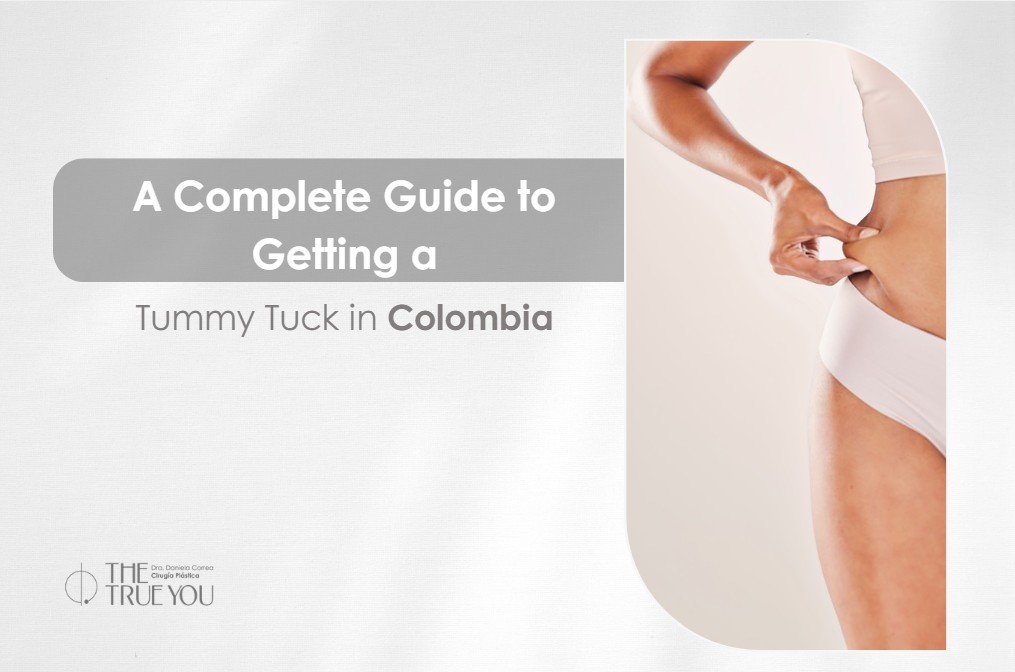
A Complete Guide to Getting a Tummy Tuck in Colombia
When patients search for tummy tuck in Colombia, they are often looking for much more than a cosmetic procedure. In many cases, they want to restore a smoother, firmer abdominal contour after pregnancy, significant weight loss, or changes that did not improve with diet and exercise alone. In my practice, I explain that a tummy tuck, also known as abdominoplasty Colombia, can help address loose skin, weakened abdominal muscles, and excess tissue in a way that is both personalized and medically responsible. At the same time, Colombia has become a leading destination for plastic surgery, and Medellín stands out for its high-quality medical care, advanced surgical facilities, and warm, personalized patient experience.
In this article, I will explain who a good candidate for a tummy tuck in Colombia may be, what benefits this procedure can offer, what recovery usually involves, and why many local and international patients choose Medellín for their surgery. I will also share my approach as a plastic surgeon, because I believe that clear guidance, honest recommendations, and careful surgical planning are essential to achieving safe, natural-looking, and harmonious results.
A tummy tuck, medically known as abdominoplasty, is a body contouring procedure I perform to improve the appearance and structure of the abdomen when there is loose skin, weakened muscles, or excess tissue that has not responded to healthy habits alone. In other words, it is not simply about removing fat. Rather, it is a procedure designed to reshape the midsection in a more comprehensive way, especially when the skin has been stretched and the abdominal wall has lost firmness over time.
Many patients who investigate a tummy tuck in Colombia come to consultation after pregnancy, major weight loss, or natural changes related to aging. In these situations, the abdomen may no longer reflect the effort the patient puts into diet and exercise. For example, some women notice that even after returning to their usual weight, they still have hanging skin in the lower abdomen, laxity through the waistline, or a persistent abdominal bulge. In many of these cases, the issue is not only fat accumulation, but also excess skin and separation or weakness of the abdominal muscles.
One of the most important things I explain in consultation is that a tummy tuck procedure can improve several concerns at the same time. First, it can remove loose or hanging abdominal skin, which is very common after pregnancy or significant weight changes. Second, it can help tighten the abdominal wall when the muscles have become stretched or separated, a condition that may affect both the contour and internal support of the abdomen. Third, it can reduce excess tissue in the lower abdomen, creating a flatter and more harmonious silhouette.
Because of this, abdominoplasty is often a very valuable option for patients who feel that their abdomen no longer matches the rest of their body. It may be especially beneficial when there is a combination of skin laxity, soft tissue excess, and muscle weakness. While every case is different, the goal is generally the same: to restore a firmer, smoother abdominal contour in a way that looks balanced, natural, and appropriate for the patient’s anatomy.
Agendar tu cita de valoración es el primer paso para evaluar tu caso y encontrar una alternativa en cirugía plástica
Although many people first think of a tummy tuck as an aesthetic procedure, in my experience it often has a functional component as well. When the abdominal wall is weakened, some patients feel less support in their core or notice that their abdomen projects more than expected, even when they are otherwise fit. In selected cases, correcting this area may improve not only the shape of the abdomen, but also the sense of firmness and stability through the midsection.
At the same time, it is important to understand what a tummy tuck does and does not do. It is not a substitute for weight loss, and it is not intended to treat obesity. Instead, it is a procedure that refines and restores the abdominal area once a patient is already near a stable weight and wants to address changes that cannot be corrected on their own. That is precisely why a careful evaluation is essential before recommending abdominoplasty in Colombia.
Another key point is that no two abdomens are the same. Some patients mainly need skin removal, while others also require muscle repair or combination treatment to achieve a more complete result. For that reason, when I evaluate someone for a tummy tuck in Colombia, I do not focus only on what the abdomen looks like. I also assess skin quality, muscle tone, body proportions, scar placement, and the patient’s goals. This allows me to recommend the most appropriate surgical plan and to pursue results that look natural rather than overdone.
Ultimately, a tummy tuck procedure is about restoring balance to the abdominal area after changes that often affect both appearance and confidence. When it is well indicated and carefully planned, it can make a meaningful difference for patients who want a firmer, smoother, and more proportionate contour.
Not every patient who wants a flatter abdomen needs surgery. For that reason, when I evaluate someone for a tummy tuck in Colombia, I look at much more than weight alone. I assess skin quality, the presence of excess tissue, abdominal muscle tone, body proportions, and the patient’s long-term goals. In general, the best candidates are patients who are close to a stable weight and want to correct changes that have not improved with exercise, nutrition, or time.
One of the most common reasons patients consider a tummy tuck procedure is pregnancy. Even when a woman takes very good care of herself, pregnancy can stretch the skin, weaken the abdominal wall, and leave changes that do not fully reverse afterward. In many cases, patients tell me they feel that their abdomen no longer reflects how healthy or active they are. They may notice loose skin in the lower abdomen, a persistent bulge, or a lack of firmness that remains long after childbirth.
This is precisely why abdominoplasty can be such an important option for selected patients after pregnancy. When there is excess skin and weakening of the abdominal wall, surgery may help restore a firmer and more harmonious contour. However, timing matters. Ideally, the patient should have completed postpartum recovery, reached a stable weight, and finished breastfeeding before considering surgery.
Another very common candidate is the patient who has experienced significant weight loss. In these cases, losing weight is a major achievement, but the abdomen may still show stretched skin and tissue redundancy that cannot shrink back completely on its own. As a result, even after reaching a healthier weight, some patients continue to feel uncomfortable with the appearance of their midsection.
For these patients, a tummy tuck in Colombia may help remove excess skin and improve the abdominal contour in a more definitive way. In my experience, this can make a meaningful difference not only in appearance, but also in comfort, clothing fit, and body confidence. Still, it is very important that weight be relatively stable before surgery, because major fluctuations afterward can affect the result.
Some patients are also good candidates because they have abdominal muscle separation, often referred to as diastasis recti. This is especially common after pregnancy, although it may also be seen in other situations. When this occurs, the abdomen can appear rounded or protruding even in patients who are otherwise slim or physically active. In consultation, many patients say they look “bloated all the time” or feel that their core is not as firm as it used to be.
In carefully selected cases, abdominoplasty can address not only excess skin, but also the laxity of the abdominal wall. This is one of the reasons a tummy tuck is different from treatments that only remove fat. If the concern involves structural weakness in the midsection, the surgical plan needs to address that anatomy in a precise and individualized way.
Although a patient may be interested in a tummy tuck procedure, sometimes the safest and most appropriate recommendation is to wait. For example, I may advise postponing surgery if the patient is still planning future pregnancies, is actively losing weight, has not yet reached a stable weight, or is not medically optimized for surgery. Likewise, if expectations are not realistic, it is better to clarify goals before moving forward.
This is a very important part of my approach. I believe the right timing is just as important as the right technique. A good candidate is not simply someone who wants surgery, but someone who is ready for it physically, emotionally, and medically. That is how I can pursue results that are safer, longer-lasting, and more natural-looking.
If you are considering a tummy tuck in Colombia, I invite you to schedule a personalized consultation to learn whether this procedure is the right option for your body and your goals.
This is one of the most common questions I hear in consultation, and it is an essential one. Although both procedures can improve body contour, they do not treat the same problem. Understanding this difference is key when considering a tummy tuck in Colombia, because choosing the right procedure depends entirely on the patient’s anatomy.
| Main Idea | Developed Content | |
|---|---|---|
| Liposuction removes fat | Liposuction is best for localized fat when skin quality and muscle tone are still good. | Liposuction is designed to remove localized fat deposits. In other words, it is most useful when the patient has good skin quality and relatively good muscle tone but still has areas of stubborn fat that do not improve with lifestyle measures. Liposuction can help refine contours, but it does not remove significant loose skin, and it does not repair muscle laxity. Therefore, if the abdomen is full mainly because of excess fat and the skin still has good elasticity, liposuction may be the better option. In those cases, the skin may retract well on its own after fat removal, and a larger excisional procedure may not be necessary. |
| A tummy tuck addresses loose skin and muscle laxity | A tummy tuck is more appropriate when the problem includes excess skin, abdominal wall weakness, or both. | By contrast, a tummy tuck Colombia procedure is more appropriate when the patient has loose or hanging skin, weakness in the abdominal wall, or both. This is particularly common after pregnancy or major weight loss. If I only removed fat in a patient with significant skin excess, the contour would likely remain incomplete, because the underlying issue would still be present. That is why abdominoplasty Colombia is not simply a fat-removal procedure. It is a contouring surgery that can reshape the abdomen more comprehensively by addressing skin excess and, when indicated, the weakened abdominal wall. For the right patient, this makes a substantial difference in achieving a smoother and firmer result. |
| When one procedure may be better than the other | The right choice depends on whether the main issue is fat, loose skin, or muscle separation. | In general, liposuction may be better for patients whose main concern is localized abdominal fat and who still have firm skin. On the other hand, a tummy tuck in Colombia is usually the better choice when the patient has loose skin, tissue redundancy, or abdominal muscle separation. The key is identifying what is truly causing the abdominal fullness or loss of contour. This is why an in-person or virtual assessment is so important. Two patients may describe the same concern, such as wanting a flatter stomach, but they may need completely different procedures. A good surgical plan should never be based only on what the patient calls the problem, but on what the anatomy shows. |
Yes, in some cases they can. In fact, some patients benefit from combining liposuction with a tummy tuck procedure to improve both the central abdomen and the surrounding contour areas more effectively. For example, liposuction may help refine the waist or flanks, while the tummy tuck addresses the loose skin and abdominal wall. When done appropriately, this combination can create a more balanced and harmonious result.
That said, not every patient needs both. I only recommend combining procedures when it is safe, medically appropriate, and likely to improve the final contour in a meaningful way. My goal is never to over-treat, but to choose the most precise option for each individual patient.
For the right candidate, a tummy tuck in Colombia can offer much more than a cosmetic improvement. In my experience, the benefits are often physical, emotional, and practical at the same time. When the surgical plan is well indicated and personalized, this procedure can help patients feel more aligned with their body again after pregnancy, weight changes, or long-term abdominal laxity.
| Main Idea | Developed Content | |
|---|---|---|
| Improved abdominal contour | A tummy tuck can create a smoother, firmer, and more proportional abdominal shape. | One of the clearest benefits of abdominoplasty Colombia is the improvement of abdominal contour. By removing excess skin and addressing the structures that contribute to laxity, the abdomen can look flatter, firmer, and more balanced with the rest of the body. This is especially meaningful for patients who feel their abdomen still looks prominent or deflated despite healthy habits. In addition, when the midsection appears more defined and proportionate, clothing often fits better and the overall silhouette looks more harmonious from different angles. |
| More confidence in clothing and daily life | The procedure may improve comfort, confidence, and body image in everyday life. | Although surgery should always be approached responsibly, I do not underestimate the emotional impact of abdominal changes. Many patients tell me they avoid certain clothes, feel self-conscious at the beach, or simply do not feel comfortable in their own body. In that sense, a tummy tuck Colombia procedure may help restore confidence in a very real and personal way. This renewed confidence is not only about appearance, but also about feeling more at ease in daily life, getting dressed more comfortably, and feeling motivated to maintain healthy habits after surgery. |
| Access to specialized plastic surgery care | Patients value expert evaluation, individualized planning, and structured follow-up. | Another reason many patients consider a tummy tuck in Colombia is the opportunity to access specialized plastic surgery care in a setting where expertise, surgical planning, and patient follow-up are highly valued. In my practice, I believe the process begins long before the operating room. A careful evaluation, honest guidance, individualized planning, and structured postoperative care are all essential to achieving a safe experience and a good result. For this reason, patients should not evaluate the procedure only by price, but also by the quality of the assessment, the surgeon’s judgment, the surgical environment, and the follow-up process. |
| Why Colombia appeals to international patients | Colombia, especially Medellín, attracts patients seeking quality care and a personalized experience. | Colombia, and especially Medellín, has become an attractive destination for patients seeking high-quality plastic surgery with a personalized approach. For many international patients researching tummy tuck in Colombia, the appeal includes experienced medical care, modern facilities, and the ability to recover with close follow-up in a city increasingly recognized for medical tourism. From my perspective, what matters most is not simply traveling for surgery, but doing so in a well-organized and medically responsible way. International patients need clear communication, thoughtful planning, and realistic guidance about recovery and travel timelines so the experience feels safe and manageable. |
Ultimately, one of the greatest benefits of a tummy tuck procedure is that it can be tailored to the patient rather than forced into a standard formula. Every abdomen is different, every history is different, and every surgical plan should reflect that. This personalized approach is what allows me to pursue results that are not only aesthetically pleasing, but also natural, proportional, and appropriate for each patient’s body.
When patients are carefully selected and well informed, the procedure can offer a meaningful transformation in contour, comfort, and confidence. That is why, in the right context, abdominoplasty can be a very valuable option for both local and international patients.
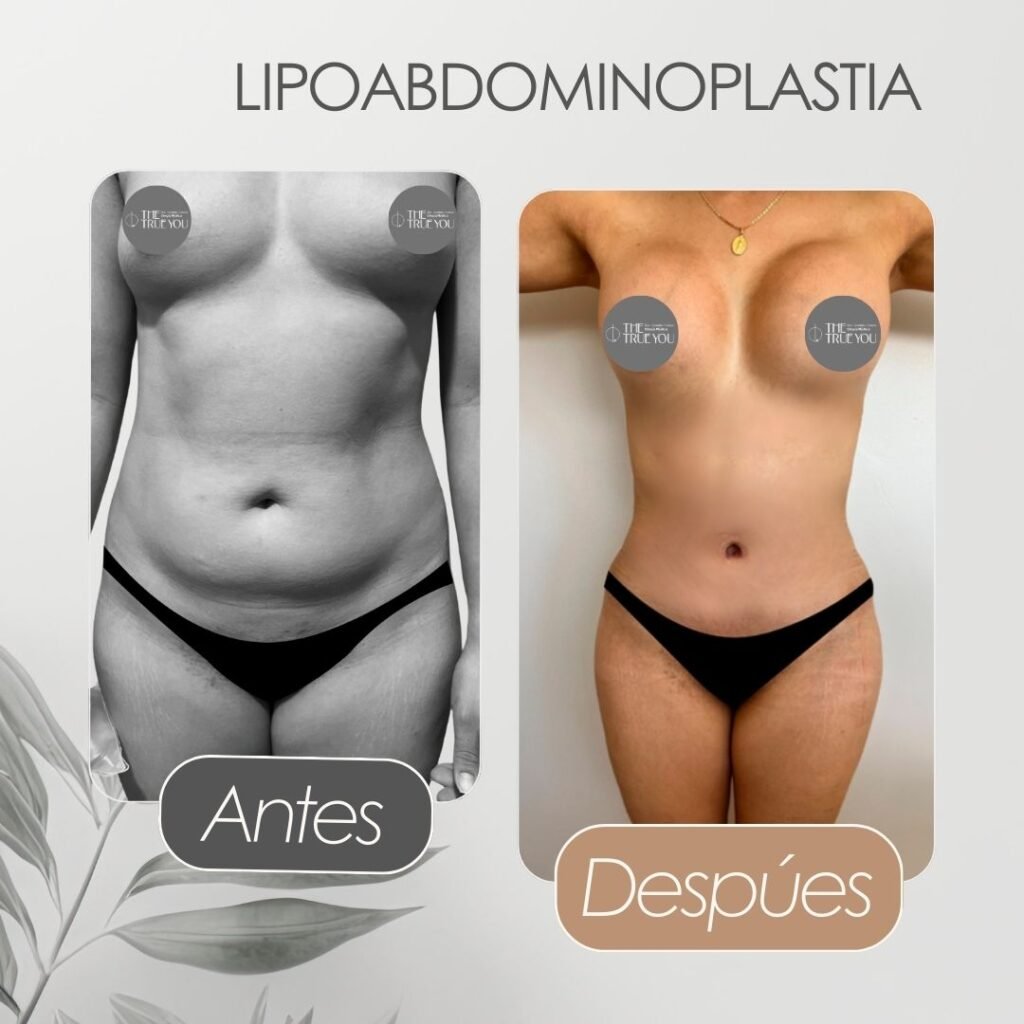
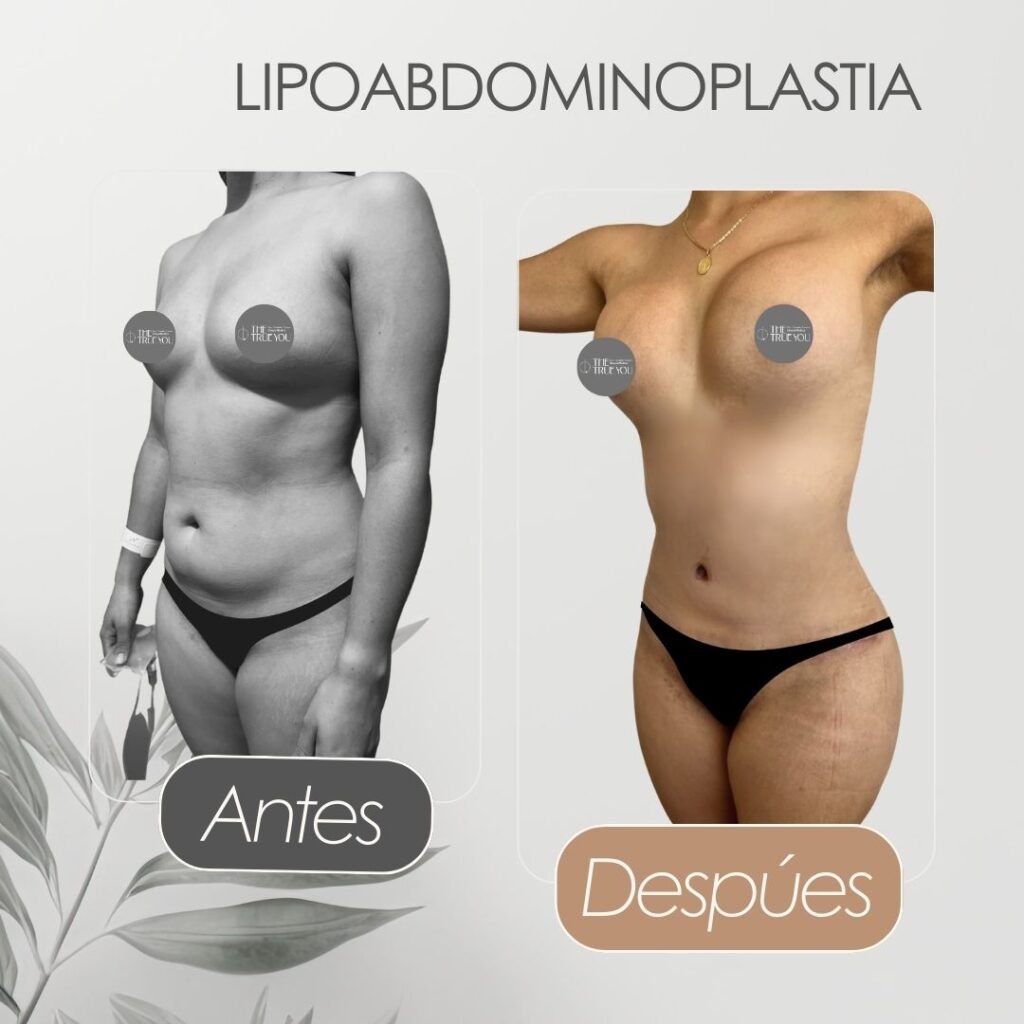
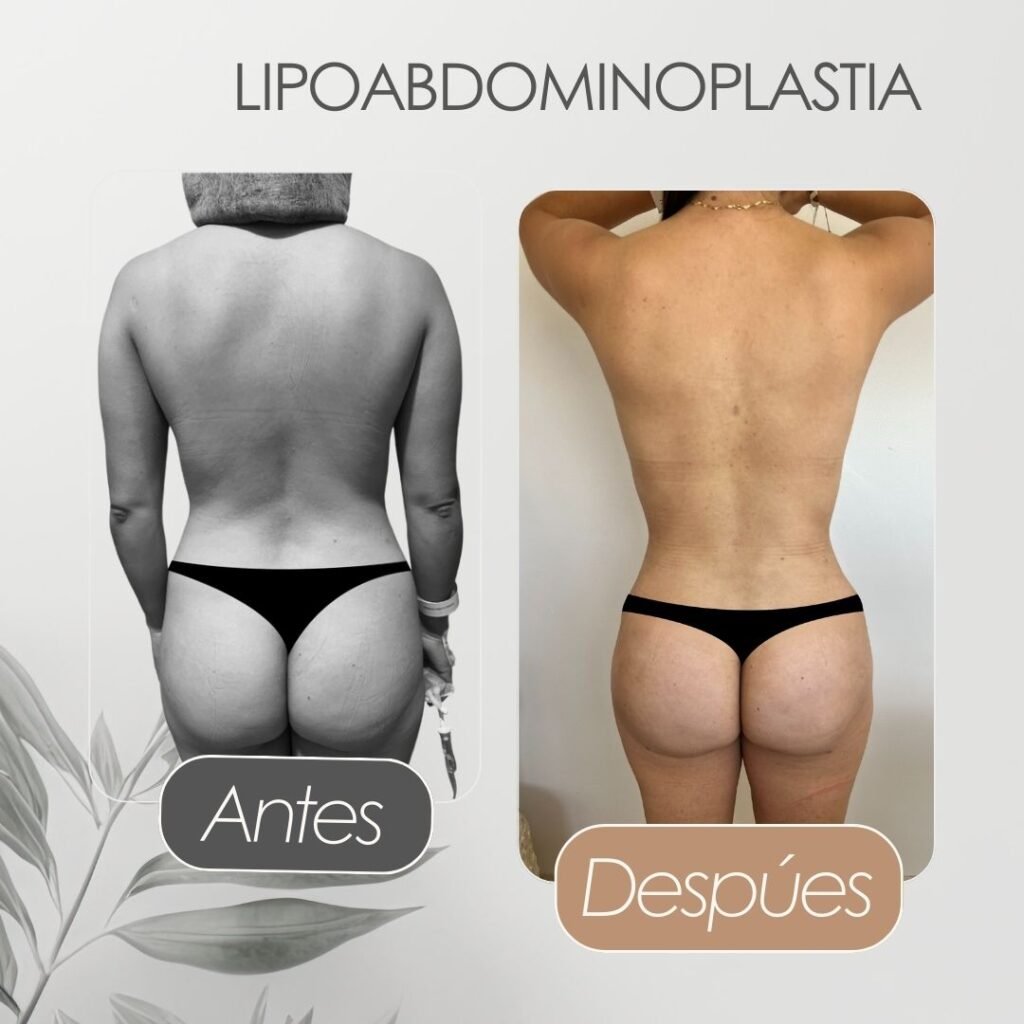
Recovery is one of the most important parts of the tummy tuck journey, and I always make sure my patients understand that healing is a process, not an overnight change. While the surgery itself is carefully planned, the result also depends on how well the body recovers in the days and weeks that follow. For that reason, I guide each patient closely through the postoperative stage, so they know what is normal, what requires attention, and how to protect their result from the beginning.
In general, patients who undergo a tummy tuck in Colombia should expect an initial recovery period with swelling, tightness, limited mobility, and a gradual return to daily activities. This is completely normal. The abdomen has gone through a structural change, so the body needs time to adapt, heal, and settle. Understanding this in advance helps patients approach recovery with more confidence and more realistic expectations.
The first few days after abdominoplasty are usually the most delicate. During this stage, it is common to feel abdominal tightness, fatigue, swelling, and some discomfort, especially when standing fully upright. Many patients naturally walk slightly bent at first because the tissues feel tight, and this usually improves progressively. Depending on the surgical plan, there may also be drains for a short period, as well as a compression garment to help support healing.
During these first days, I emphasize rest, hydration, gentle walking inside the home, and strict adherence to postoperative instructions. Although patients do need to rest, complete immobility is not ideal. Short, careful walks are usually encouraged because they support circulation and are an important part of safe recovery. At the same time, this is not the moment to resume normal routines too quickly. The body needs protection, consistency, and close observation.
Although every patient heals at a different pace, there is a general pattern I discuss during consultation. In the first one to two weeks, the focus is controlling swelling, protecting the abdomen, avoiding strain, and attending follow-up visits. During this phase, patients usually need help with certain daily activities and should avoid lifting, intense movement, and any effort that places pressure on the core.
By the second and third weeks, many patients begin to feel more comfortable and move more naturally, although they are still in active recovery. Depending on the nature of their work, some may begin returning to non-strenuous activities during this period. However, more demanding physical activity, exercise, and abdominal effort usually require a longer healing window. In my practice, I always prefer a gradual, medically guided return rather than rushing the process.
Over the following weeks, swelling continues to improve and the contour becomes more refined. This is an important point to understand: recovery after a tummy tuck is progressive. Patients often feel better before they are fully healed, which is why ongoing caution remains essential even when early improvement is already visible.
A successful tummy tuck does not depend only on the procedure itself. It also depends on disciplined postoperative care. This includes wearing the compression garment as instructed, taking medications correctly, walking appropriately, avoiding activities that could strain the abdomen, and attending all follow-up appointments. These visits allow me to evaluate healing closely, monitor swelling, check incisions, and make sure recovery is progressing as expected.
I always tell my patients that good follow-up is not a minor detail. It is part of the treatment. Clear medical instructions, close monitoring, and honest communication during recovery are essential for both safety and results. This is especially important for international patients who travel for abdominoplasty in Colombia, because recovery planning and communication must be even more organized from the start.
Most patients notice an early improvement in abdominal shape relatively soon after surgery, but the abdomen will still be swollen in the beginning. For that reason, I explain that the body may look better early on, while the more defined and refined result appears gradually over time. As swelling decreases and the tissues settle, the contour becomes more visible and more natural.
In many cases, patients start to appreciate clearer changes over the first several weeks, while continued improvement develops over the following months. The timeline varies from person to person, depending on tissue quality, healing response, and the specifics of the procedure. What matters most is to understand that tummy tuck recovery is a process that rewards patience. The goal is not only to heal quickly, but to heal well.
Ultimately, I see recovery as an essential extension of surgery itself. A well-performed procedure must be followed by responsible postoperative care, realistic expectations, and ongoing support. When patients understand this, they usually feel more prepared and more at ease throughout the healing process. In the right candidate, with the right planning and follow-up, a tummy tuck in Colombia can lead to a result that becomes increasingly defined, balanced, and satisfying as recovery progresses.
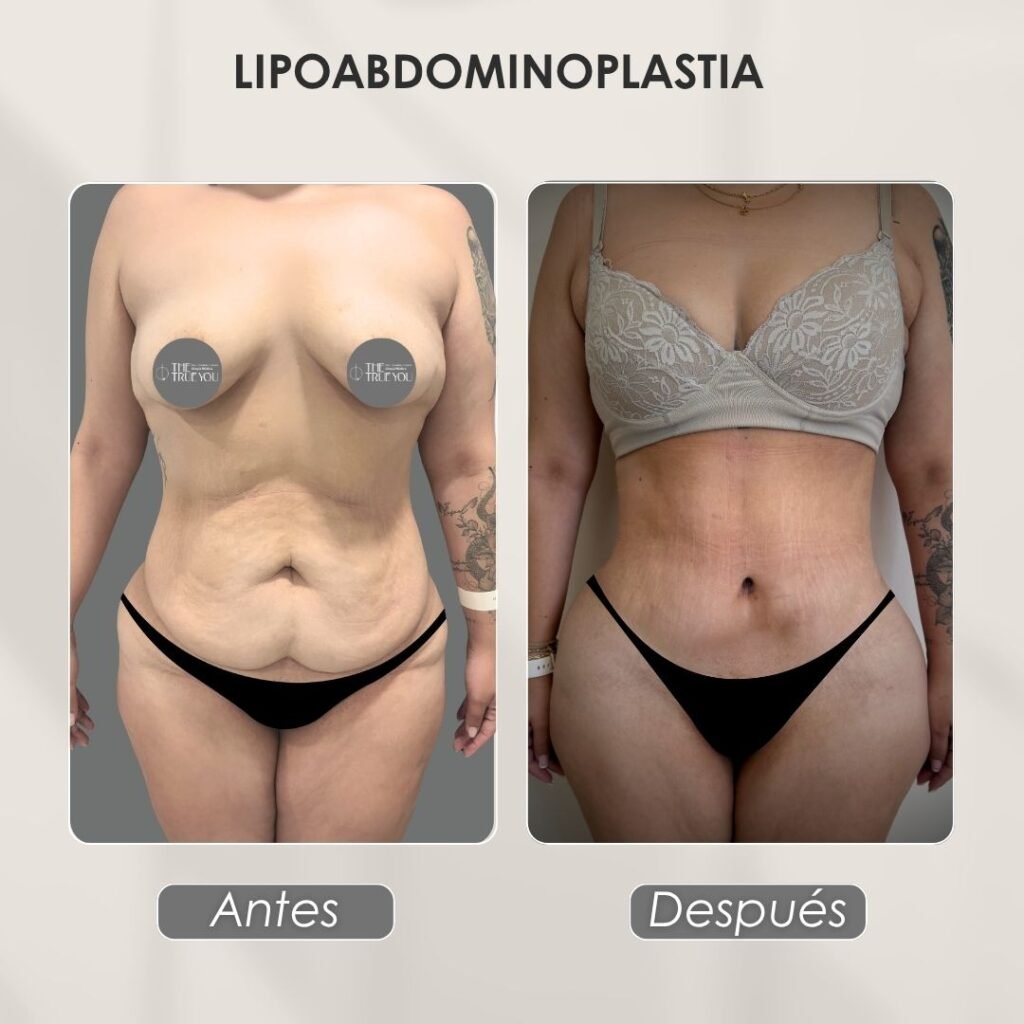
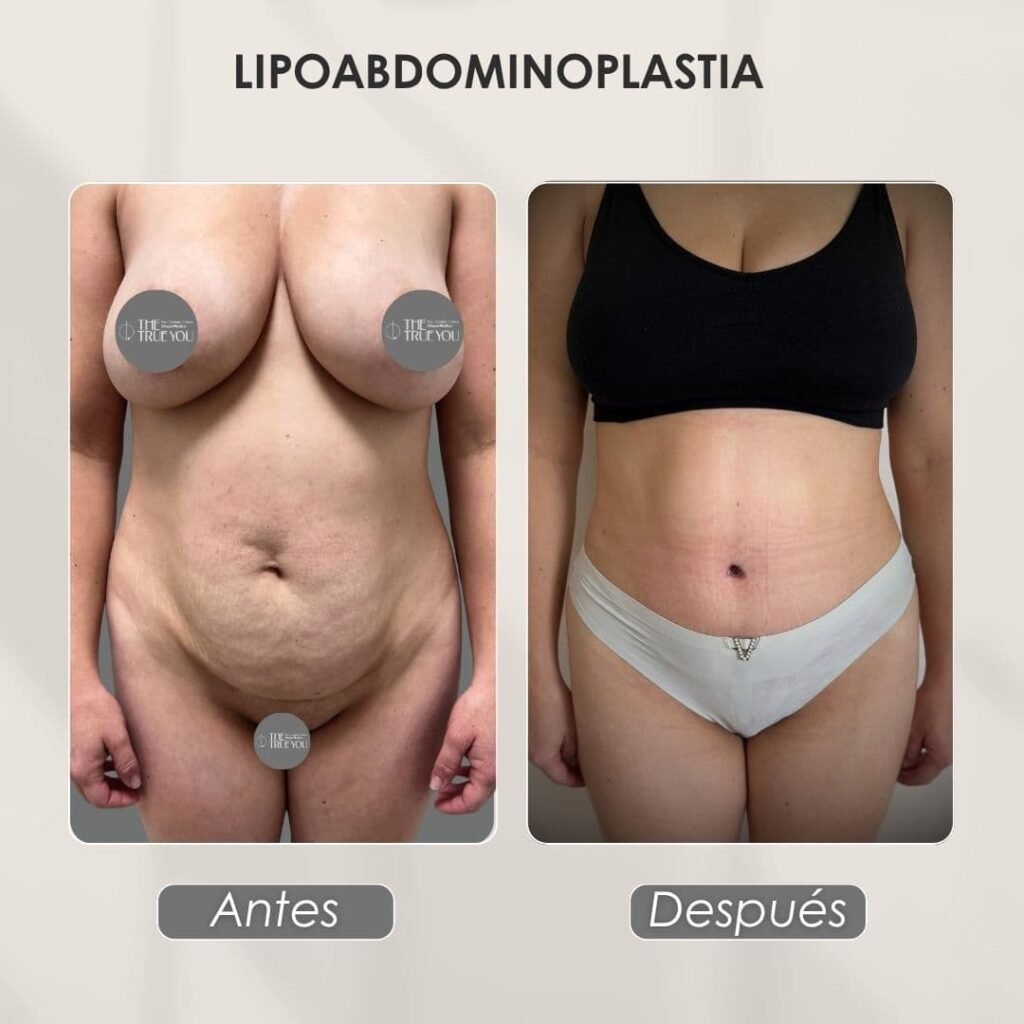
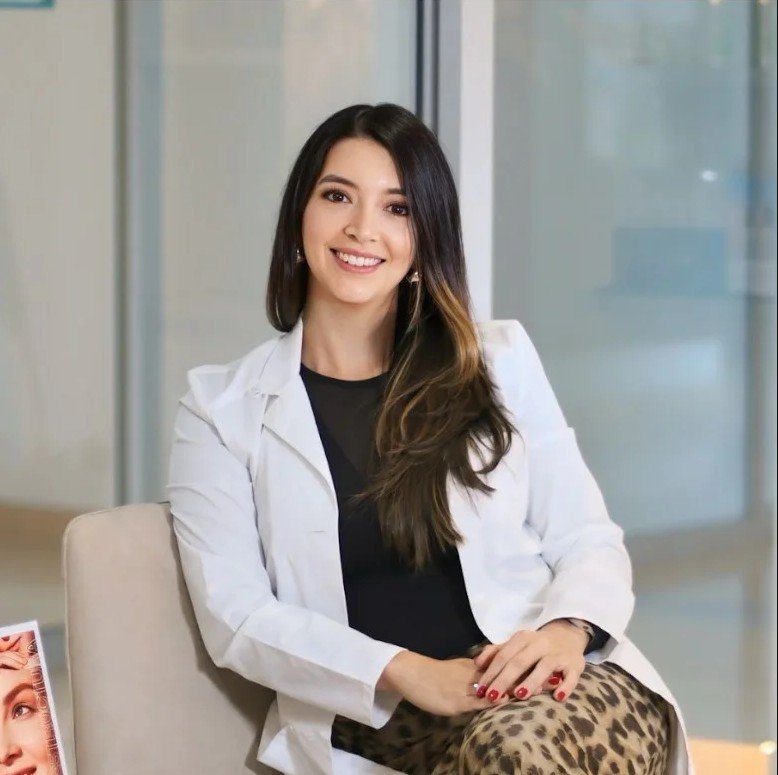
When a patient considers a tummy tuck in Colombia, I believe the decision should go beyond choosing a procedure and focus on choosing the right professional guidance. In my practice, every surgical plan begins with a personalized evaluation, because no two bodies, needs, or goals are the same. I take the time to understand each patient’s anatomy, expectations, and medical context so I can recommend a treatment plan that is honest, safe, and appropriate. My approach is always centered on achieving natural, harmonious results that enhance the body’s proportions without looking exaggerated or artificial.
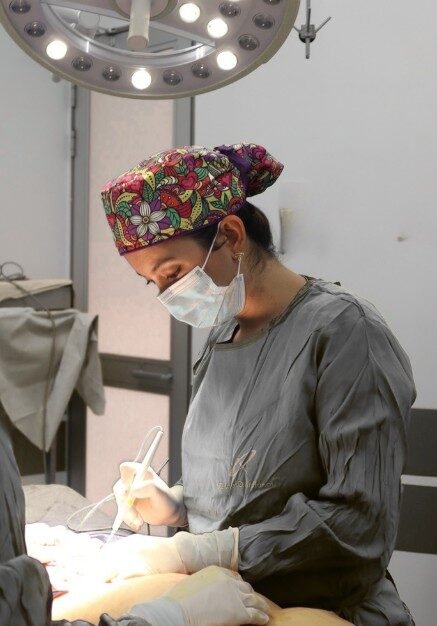
Just as importantly, I want my patients to feel supported and well cared for throughout the entire process. I combine professional experience with a patient-centered approach that values clear communication, trust, and close follow-up before and after surgery. I also work with both local and international patients, offering guidance that helps them feel informed and accompanied at every stage. My procedures are performed at Portanova Medical Center, a setting that reflects the level of safety, professionalism, and personalized care I consider essential in every tummy tuck journey.
In my practice, a good candidate for a tummy tuck in Colombia is usually someone who is close to a stable weight, is in good general health, and has concerns such as loose abdominal skin, stretched muscles, or excess tissue that have not improved with diet and exercise alone. This is especially common after pregnancy or major weight loss. However, the best way to know for sure is through a personalized evaluation, because I need to assess your skin quality, abdominal wall, medical history, and expectations before recommending surgery.
This is one of the most common questions I receive. Liposuction is designed to remove localized fat, while a tummy tuck Colombia procedure is meant to address loose skin and, in many cases, weakened abdominal muscles. In other words, if the main issue is excess fat and the skin still has good elasticity, liposuction may be enough. On the other hand, if there is hanging skin, muscle separation, or significant laxity after pregnancy or weight loss, a tummy tuck is often the better option. In some patients, I may recommend combining both procedures for a more complete result.
The cost of a tummy tuck in Colombia can vary depending on several factors, including the complexity of the case, whether muscle repair is needed, whether the procedure is combined with liposuction, the surgical facility, and the postoperative care involved. For that reason, I do not believe in giving a generic price without first evaluating the patient. A proper consultation is important because the surgical plan should be based on your anatomy and goals, not on a standard quote.
Recovery after abdominoplasty is gradual. The first days usually involve swelling, tightness, and limited mobility, and most patients need to take things very slowly at the beginning. In general, the first two weeks are focused on rest, healing, and follow-up care. Many patients begin feeling more comfortable after that, but full recovery continues over the following weeks and months. I always explain that healing is a process, and the result becomes more defined progressively as swelling improves.
Most patients notice an early change in abdominal shape soon after surgery, but this is not the result because swelling is still present. After a tummy tuck procedure, the abdomen usually looks more defined as healing progresses and the tissues settle. In my experience, patients often appreciate clear improvement over the first several weeks, while more refined results continue to develop over the following months. Patience is very important, because the body needs time to heal properly.
Yes, a tummy tuck does leave a scar, because it involves removing excess skin and reshaping the abdominal area. That said, scar placement is something I plan very carefully. My goal is always to place it as discreetly as possible, usually in a position that can often be concealed by underwear or swimwear, depending on the case. Over time, scars typically mature and improve, but they do not disappear completely. I always discuss this honestly with patients, because good results depend on realistic expectations as well as proper scar care during recovery.
In many cases, yes. Some patients who seek a tummy tuck have abdominal muscle separation, often after pregnancy. This can make the abdomen look rounded or weak even in patients who are otherwise slim or physically active. When this is part of the diagnosis, I may address the abdominal wall as part of the procedure. This is one of the reasons a tummy tuck can offer a more complete improvement than procedures that only remove fat.
For international patients, planning is a very important part of the process. After a tummy tuck procedure, I usually recommend staying in the country long enough to allow for early recovery, follow-up visits, and medical monitoring before traveling back home. The exact length of stay depends on the surgical plan, the patient’s healing progress, and whether additional procedures were performed. I always prefer to guide this individually, because safe travel timing should never be rushed.
It is physically possible to become pregnant after a tummy tuck, but in most cases, I recommend waiting until a patient has completed her family before surgery. Pregnancy after abdominoplasty may stretch the skin and abdominal wall again, which can affect the result. For that reason, if someone is planning pregnancy in the near future, it is often better to postpone surgery. Timing matters, and I always want patients to make decisions that protect both their health and their long-term outcome.
The results of a tummy tuck can be long-lasting, especially when the patient maintains a stable weight and healthy lifestyle. However, no surgery can completely stop future changes related to weight fluctuations, pregnancy, or aging. In other words, the procedure can create a significant and lasting improvement, but preserving that result depends in part on the patient’s long-term habits. This is why I always emphasize that surgery should be seen as part of a broader commitment to self-care, not as a substitute for it.
 Escríbeme
Cirujana Plástica
¿Tienes dudas o preguntas?
¡Escríbeme ahora!

¡Escríbenos!