

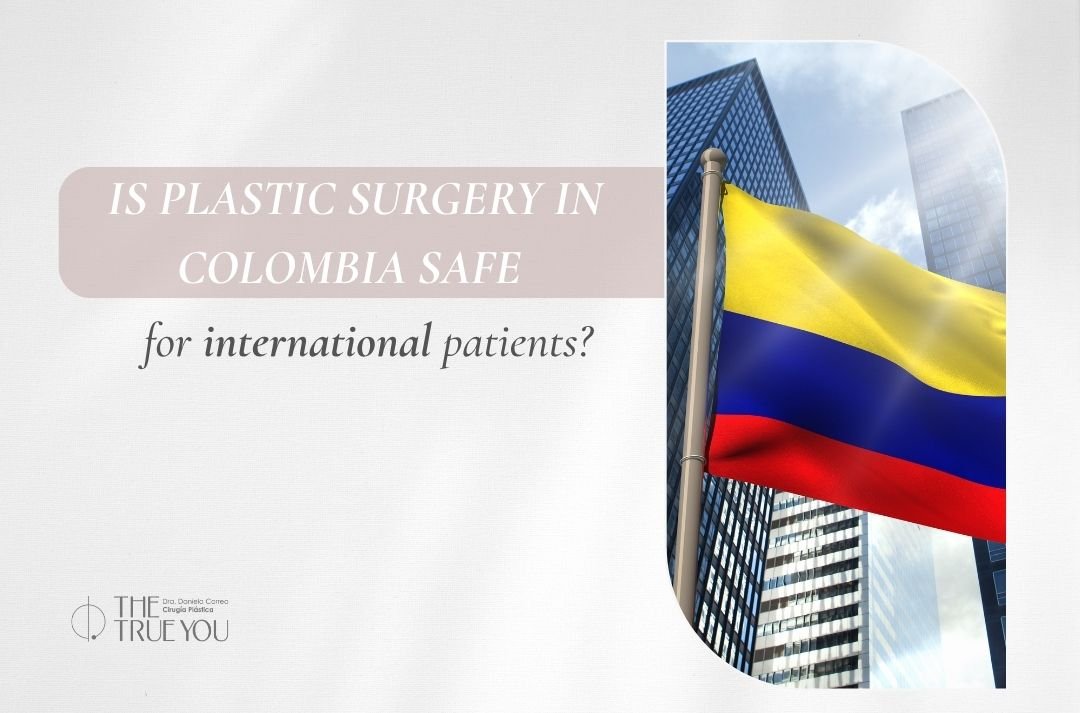
Is plastic surgery in Colombia Safe for international patients?
Plastic surgery in Colombia can be a safe and very positive option for international patients when the procedure is planned carefully and performed by the right surgeon, in the right facility, with the right medical standards in place. As a plastic surgeon, I know that patients traveling from the United States or another country are not only looking for beautiful results—they also want to feel confident about safety, quality, and the overall experience from the very beginning.
That is why this question deserves a clear and honest answer. In this article, I will explain what truly makes plastic surgery in Colombia safe, why lower prices do not automatically mean lower standards, what international patients should look for before choosing a surgeon, and why so many people from abroad trust Colombia for high-quality surgical care.
If you are thinking about traveling to Colombia for surgery, I know you probably have a lot of questions. In my practice, safety is never a secondary issue—it is the foundation of every decision I make for you, from your first evaluation to your recovery plan.
Here are the main reasons why safety matters just as much to me as it does to you:
Agendar tu cita de valoración es el primer paso para evaluar tu caso y encontrar una alternativa en cirugía plástica
I know that for some people, Colombia still carries an image that belongs more to the past than to the present. Today, the reality is much more nuanced. Colombia welcomed more than 6.8 million international visitors in 2024, and the Ministry of Industry, Trade and Tourism has described the country as the number one destination in South America for U.S. travelers, which reflects how strongly international travel has grown in recent years.
That said, I always believe in being honest with you: no country should be treated as “safe” in exactly the same way everywhere. The key is understanding that large, well-established cities and medical districts offer a very different experience from remote or poorly planned settings. That is why I encourage international patients to stay in recognized areas, plan their transportation in advance, and work with a medical team that understands how to guide them through the entire process. The U.S. Department of State also notes that appropriate medical care is most likely to be found in or near major cities, which reinforces why location matters so much when you travel for surgery.
This is one of the most important distinctions I can make for you: country safety and surgical safety are not the same thing. A patient can have a smooth and comfortable trip in Colombia and still make a poor surgical choice if they choose the wrong surgeon or facility. On the other hand, general headlines about a country do not tell you whether a clinic follows strict protocols, whether the surgical team is properly trained, or whether your recovery has been planned the right way.
When I talk about surgical safety, I am talking about the details that truly protect you: the qualifications of your surgeon, the standards of the operating facility, the experience of the anesthesia team, infection control, patient monitoring, and a recovery plan that makes medical sense for someone traveling from abroad. That is the level where real safety is built.
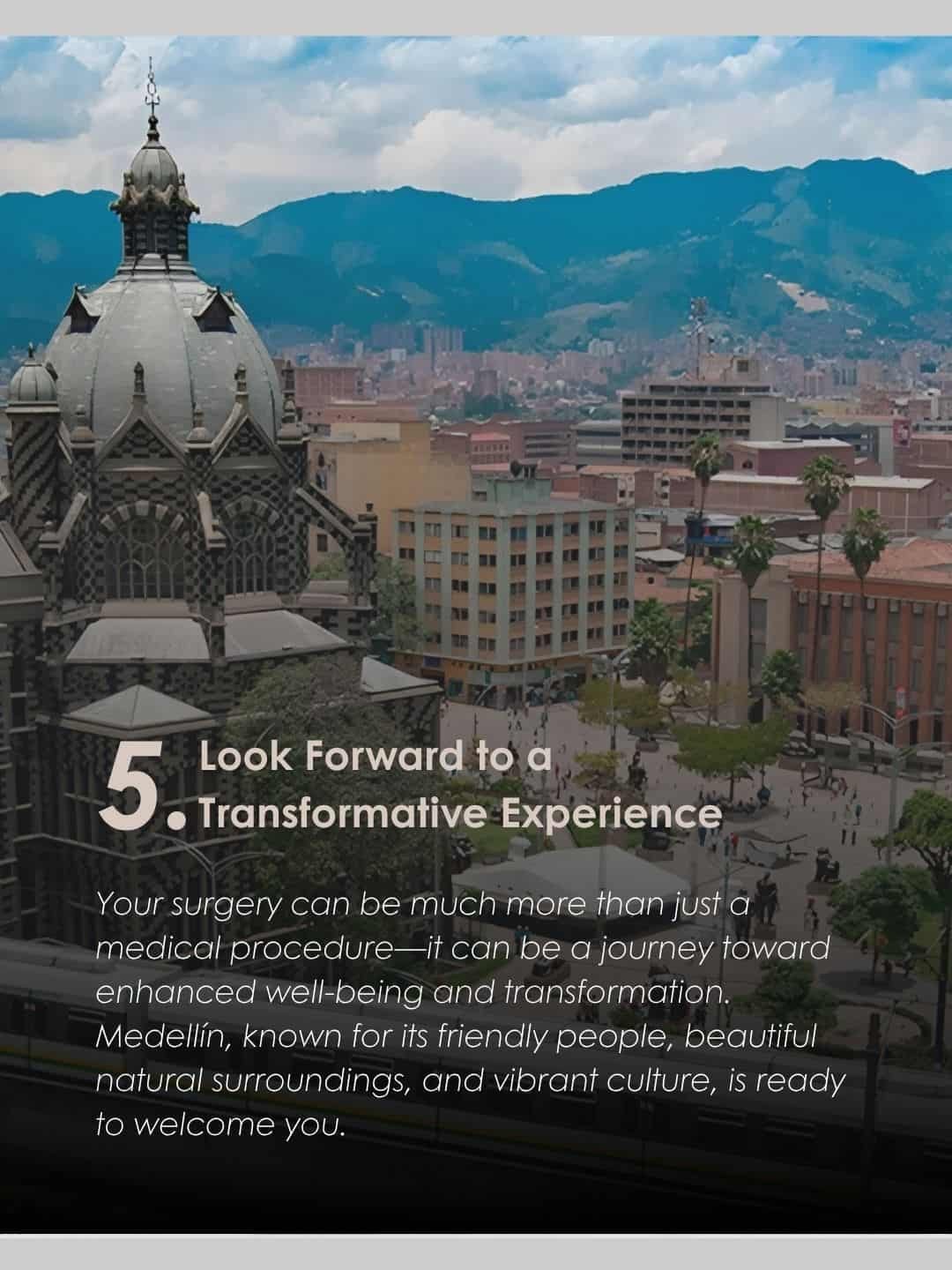
If you are traveling for surgery, where you go matters just as much as who you choose. Major cities (like Medellin) are usually the best setting for international patients because they offer stronger medical infrastructure, more reliable logistics, and better access to specialized care if needed. That point is consistent with U.S. travel guidance, which notes that appropriate medical treatment in Colombia is generally found in or near major cities.

Not necessarily. One of the reasons many patients look at plastic surgery in Colombia is simple: you may be able to save a meaningful amount of money while still receiving care in a professional medical setting. Colombia has long been recognized as a competitive destination for medical tourism because procedures can cost less here while still being delivered to high professional standards.
What I always tell my patients is this: a lower price by itself is not a red flag, but a price that seems unrealistically low should make you ask better questions. Saving money can be a real advantage, especially if you are paying in U.S. dollars, but your decision should still be based on the surgeon, the clinic, the surgical team, and the recovery plan—not just the quote.
Medical services in Colombia are priced in Colombian pesos, and the World Bank’s latest data show that the peso trades at several thousand COP per U.S. dollar, which helps explain why many international patients feel their money goes further here.
Colombia’s overall economic base is very different from that of the U.S., which helps explain why salaries, rent, and many operating costs are often lower here. That is an economic inference based on national data, not a statement about every clinic individually.
Independent business analysis has described lower procedure costs as one of the country’s incentives for international patients, while also noting that care is delivered to high professional standards.
In plastic surgery, the goal should never be to find the lowest number. The real goal is to find the best balance of safety, surgeon expertise, facility quality, and overall experience for the investment you are making.
Before you choose where to have surgery, I recommend comparing the things that actually affect your safety and experience:
| What to compare | Why it matters |
|---|---|
| Surgeon’s credentials and experience | You want to know who is actually performing your surgery and whether they routinely treat patients like you. |
| Surgical facility | The clinic or hospital should have strong safety processes, trained staff, and a proper environment for surgery and recovery. |
| Anesthesia team | Safe anesthesia is a major part of safe surgery. |
| Pre-op evaluation | A good process should include medical screening, planning, and clear instructions before your procedure. |
| Post-op care and follow-up | Recovery support is especially important when you are traveling from another country. |
| What is included in the price | Ask whether the quote includes facility fees, anesthesia, garments, medications, follow-up visits, and recovery support. |
When people outside Colombia think about healthcare here, they often focus only on plastic surgery. But Medellín’s medical environment stands out for much more than that. The city has a formal Medellín Health City cluster focused on clinical excellence, digital transformation, and innovation, and several major institutions in Medellín maintain dedicated services for international patients, including Hospital Pablo Tobón Uribe, Clínica El Rosario, and Las Américas. That broader healthcare ecosystem matters because it reflects a city with real medical infrastructure, not just aesthetic demand.
For you as an international patient, that is important. A strong medical environment gives you more confidence that you are choosing a city where healthcare quality, support systems, and patient logistics are taken seriously.
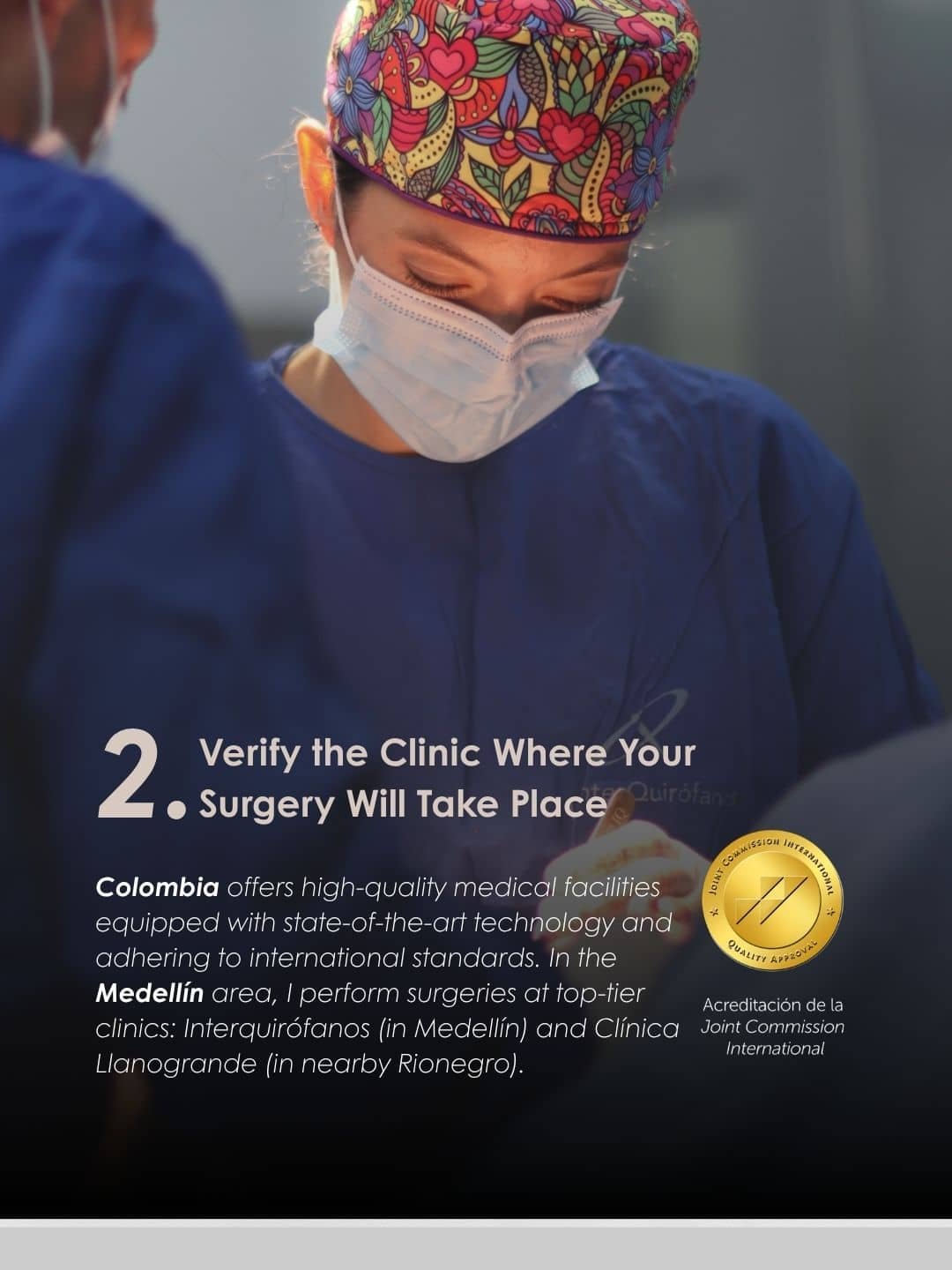
One of the places where I operate is IQ InterQuirófanos, and that is meaningful to me because the clinic states that it holds Joint Commission International (JCI) accreditation. JCI describes its accreditation as an objective evaluation of quality achievement, patient care, and safety, centered on safe, high-quality care. In practical terms, that tells you the facility has gone through an internationally recognized review process rather than relying only on marketing language. For me, that is a strong sign of commitment to patient safety and quality.

JCI accreditation is important because it is not just a label—it is tied to a formal evaluation process focused on how care is delivered and how risks are reduced. According to JCI, accreditation helps organizations measure, assess, and improve performance in order to provide safe, high-quality care, and its International Patient Safety Goals focus on some of the most important areas of patient protection.
That does not mean you should stop evaluating the surgeon or the overall plan. But it does mean the facility itself has met a meaningful international standard, and that should absolutely be part of your decision.
Get expert guidance on safe plastic surgery in Colombia before planning your trip.
As a surgeon, I want you to know that modern technology only adds real value when it is part of a regulated, well-run medical system. In Colombia, medical devices are commercialized under sanitary registrations or marketing permits granted by INVIMA, depending on the level of risk. Official INVIMA materials describe requirements such as technical studies, analytical tests, scientific information for higher-risk devices, and sterilization methods when applicable. In other words, the technologies used in a proper operating room are not there by chance—they are expected to fit within a regulated framework before they ever become part of patient care.
When you think about surgical technology, it is easy to focus only on the machine or device itself. But from my perspective, safety depends on much more than that. It depends on how that technology is selected, how it is maintained, how it is cleaned, how it is sterilized, and how the team uses it every single day. The World Health Organization explains that the decontamination and reprocessing of medical devices involve complex, sequential steps that require the right infrastructure and equipment, and Joint Commission standards specifically require healthcare organizations to have policies and procedures for cleaning, disinfection, and sterilization. That is exactly why I believe technology should never be separated from process. The equipment matters, but the protocol around it matters just as much.
For you, this means something very practical: a safe operating room is not simply “modern.” It is organized, controlled, and consistent. The best surgical environments are the ones where advanced equipment is supported by proper sterilization systems, regulated workflows, trained personnel, and a culture that takes patient safety seriously at every step.
Technology does not replace surgical judgment, but it absolutely helps me plan more carefully, operate more precisely, and monitor you more safely throughout the process. WHO continues to emphasize tools such as the Surgical Safety Checklist and pulse oximetry because they improve teamwork, support safer anesthesia care, and help reduce complications when they are used correctly.
Safe plastic surgery is never a one-person job. Even though I lead your surgical plan, your safety depends on a coordinated team working together before, during, and after your procedure. WHO describes its Surgical Safety Checklist as a tool that brings together surgeons, anesthesia providers, and nurses to perform key safety checks at critical phases of care, precisely because communication and teamwork are essential in the operating room.
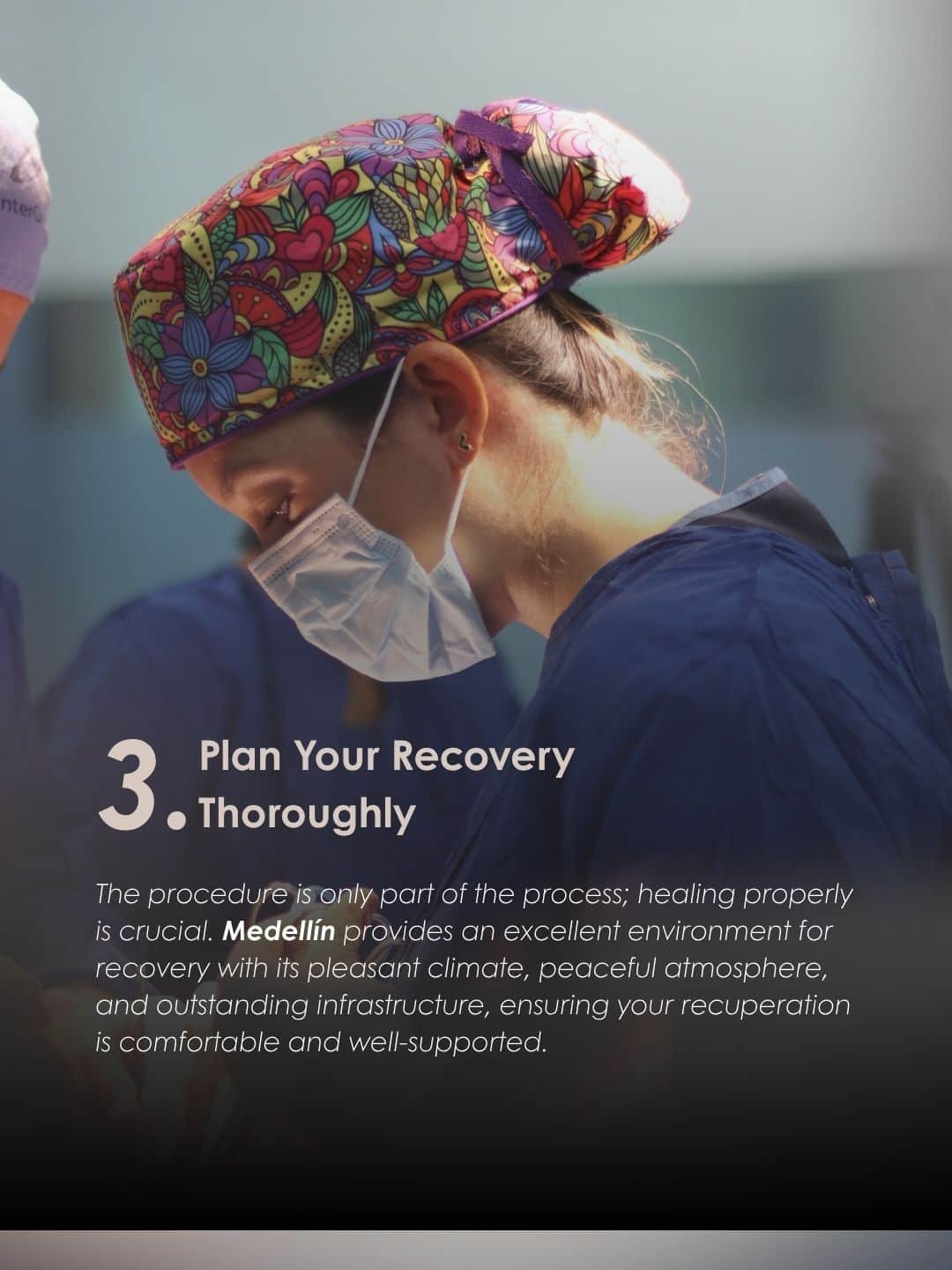
My role as your surgeon is to evaluate you carefully, create a safe surgical plan, perform your procedure with precision, and make decisions that protect both your health and your result. Your anesthesiologist plays an equally important role by evaluating your medical condition, managing anesthesia, and monitoring your vital signs throughout surgery. Nursing staff help prepare the operating room, maintain sterility, support patient identification and safety checks, and care for you during recovery. In addition, support staff and sterile processing personnel help ensure that instruments, equipment, and workflows are handled correctly behind the scenes. That teamwork is not secondary—it is one of the reasons safe surgery is possible.
When you choose a surgeon, I believe you should never think only about the doctor’s name. You should also think about the full team around that surgeon, because a safe experience depends on everyone doing their part well, at the right time, and with the right standards in place.
Just like in any other country, some clinics and surgical settings are better than others. That is why I always encourage you to look at the full picture instead of making a decision based on one factor alone. Safety comes from the combination of the right surgeon, the right facility, the right medical team, the right technology, and the right recovery plan. When you evaluate all of those elements together, you are much more likely to make a smart and confident decision.
If you are considering surgery in Colombia, my advice is not to focus only on beautiful photos or an attractive quote. Take the time to evaluate the details that truly matter. A safe clinic should be able to show you clear standards, qualified professionals, and a well-organized process from your first consultation to your post-op follow-up.
I care for international patients looking for procedures that enhance their features in a balanced, natural-looking way. Every surgery I perform begins with a personalized evaluation, because the safest and most beautiful result is the one that fits your anatomy, your goals, and your overall health.
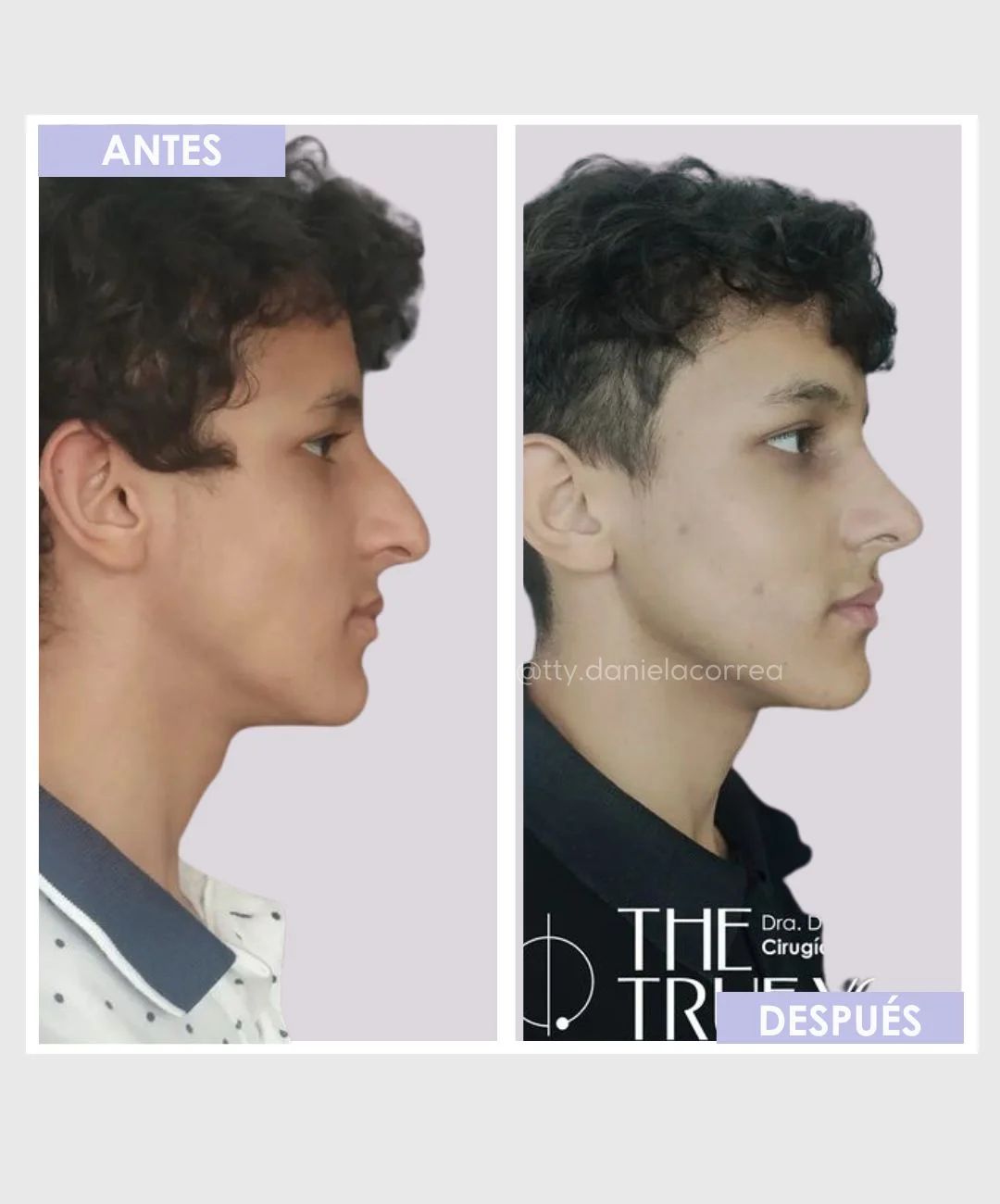
For patients interested in facial procedures, I focus on surgeries that refine and harmonize your features while preserving what makes you look like yourself. This may include procedures such as rhinoplasty, blepharoplasty, and other facial surgeries designed to create a more refreshed, balanced, and natural appearance. In international patients especially, careful planning is essential, because facial surgery is not only about technique—it is also about precision, proportion, and a thoughtful recovery process.
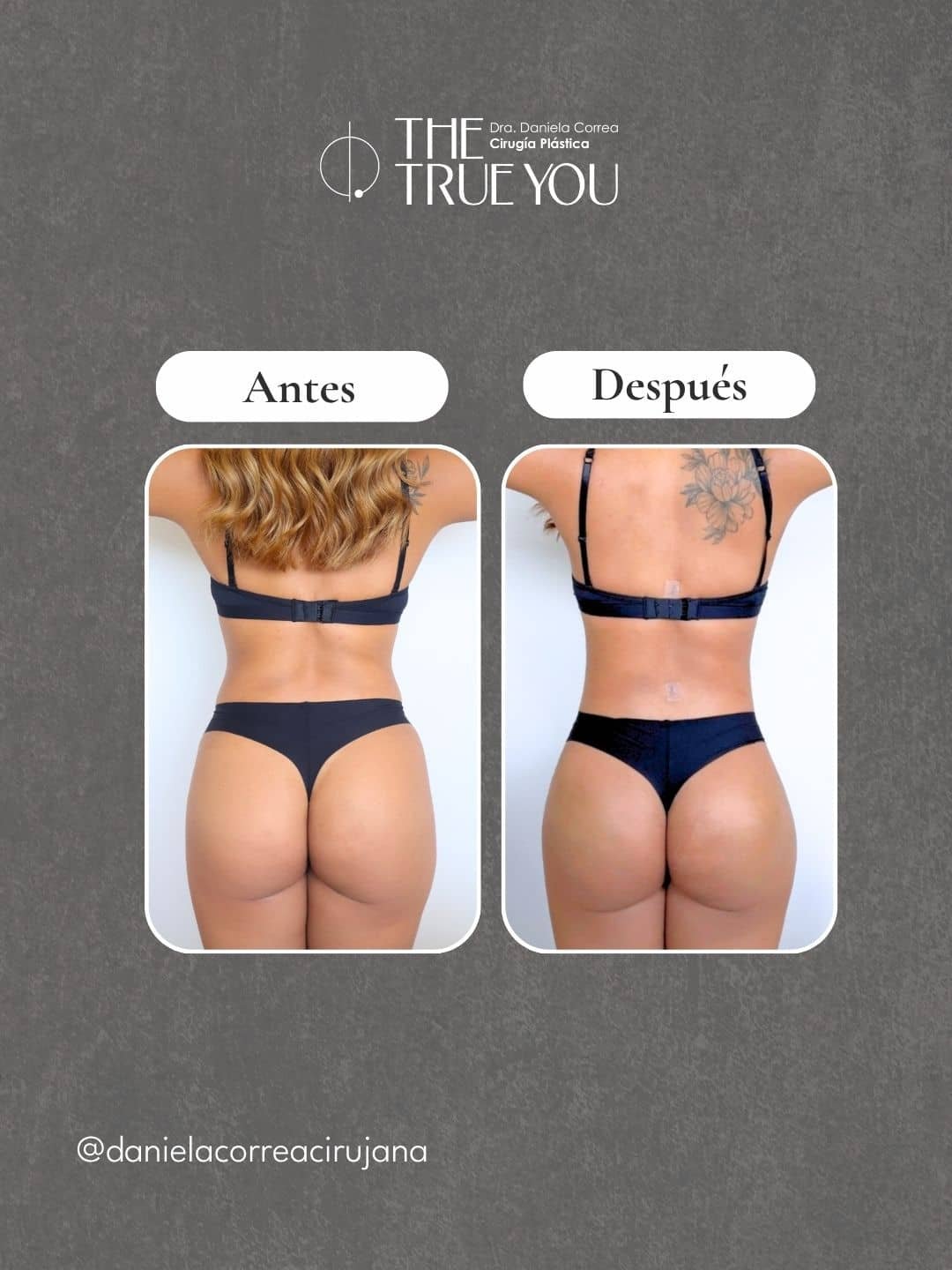
I also perform body contouring procedures for patients who want to reshape specific areas of the body and improve overall silhouette and proportion. Depending on your needs, this may include liposuction, tummy tuck surgery, and other body procedures designed to address excess fat, loose skin, or changes after pregnancy or weight loss. When I evaluate you, I look not only at the area you want to improve, but at your body as a whole, so the result feels harmonious and makes sense for you.
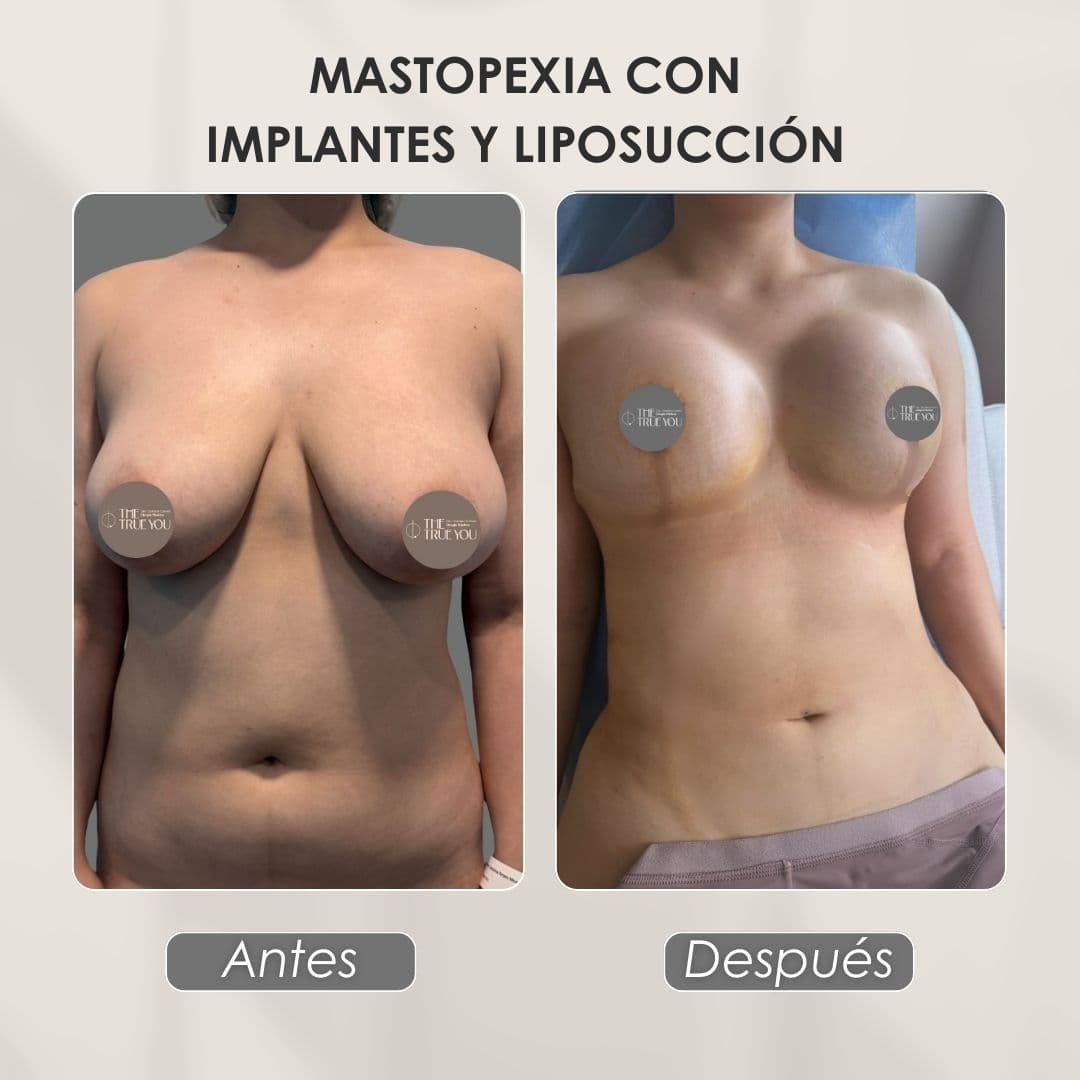
Breast surgery is another important part of my practice for international patients. I perform procedures such as breast augmentation, breast lift, breast reduction, and breast revision, always with a detailed approach based on your anatomy, your goals, and your lifestyle. For me, breast surgery should never be about following a trend. It should be about creating results that feel proportionate, elegant, and aligned with what you want for your body.
If you are traveling from abroad for surgery, I understand that you are not only looking for a procedure—you are looking for trust, clarity, and the peace of mind that comes from knowing you are in good hands. That is why I believe international patients should feel supported at every stage of the process, from the first conversation to the final stages of recovery.
One of the most important parts of my work is understanding that no two patients are the same. I do not believe in one-size-fits-all surgery or in results that look overdone. My approach is always personalized, with careful attention to your anatomy, your goals, and the balance of your features or body as a whole. For me, the best result is one that looks refined, harmonious, and natural—never forced.
I also understand that international patients have different needs than someone who lives nearby. When you are traveling for surgery, every detail matters more, from scheduling and pre-operative guidance to the timing of your stay and your recovery plan. I am used to helping patients navigate that process with clear communication and realistic recommendations, so you can feel informed and supported even before you arrive in Colombia.
For me, safety is not just about the day of surgery. It begins with a proper evaluation, continues with thoughtful planning and the right surgical setting, and remains just as important during recovery and follow-up. I want you to feel that your care is organized, close, and professional from beginning to end. That way, you are not only choosing a surgery—you are choosing a process designed to protect your health, support your recovery, and help you move forward with confidence.
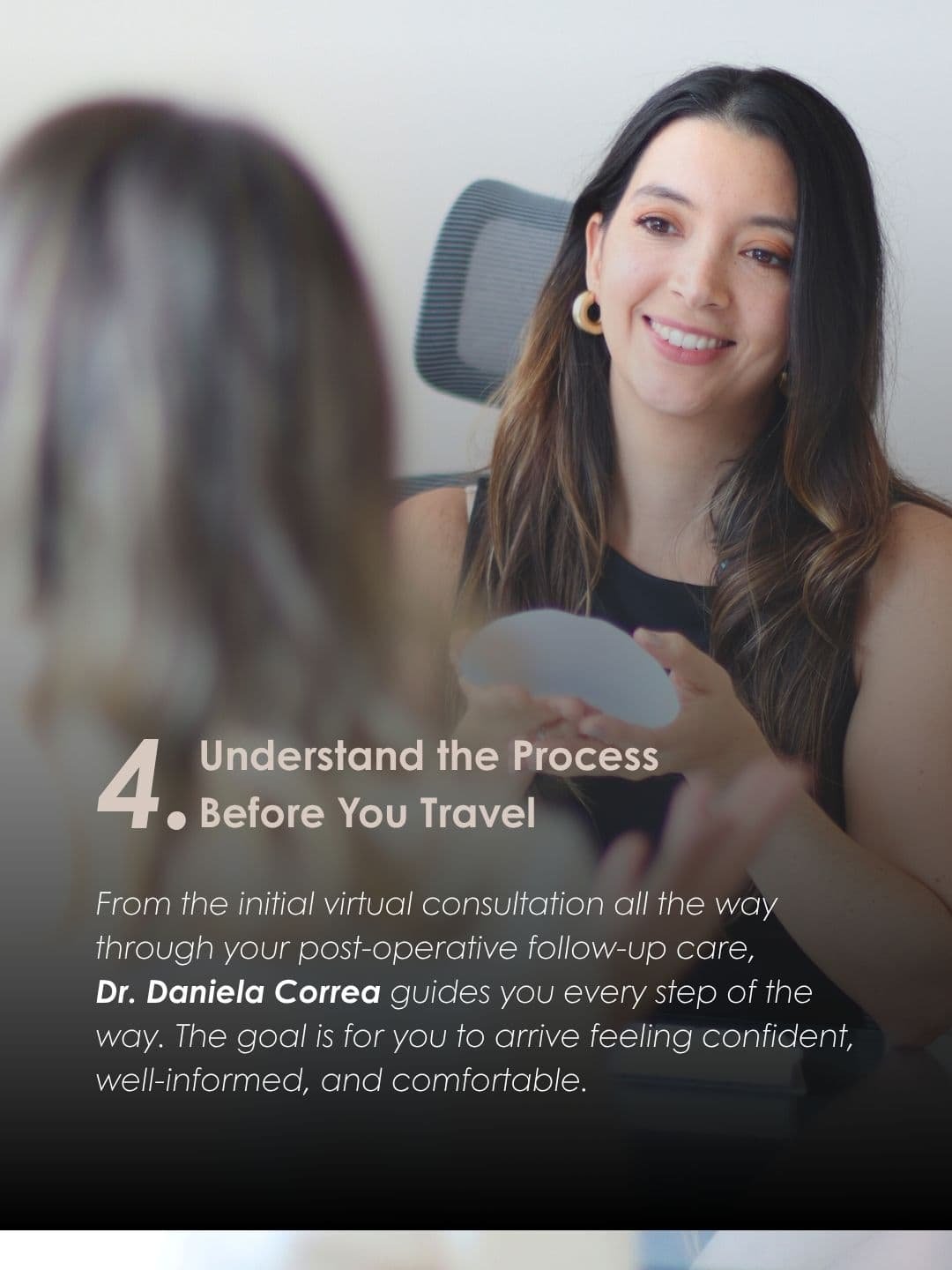
If you are thinking about having plastic surgery in Colombia, I would be happy to meet with you by video call and learn more about what you are looking for. This virtual consultation is a great way for you to tell me about your goals, ask your questions, and receive professional guidance before making any decisions. It is also the first step in planning your trip to Colombia in a safe, organized, and personalized way, so you can move forward with more clarity and confidence.
I recommend looking closely at the surgeon’s credentials, experience with your procedure, where the surgery will be performed, and how your follow-up will be handled. ASPS specifically advises patients to research the procedure, understand the risks and recovery, and ask detailed questions before committing to surgery abroad.
For international patients, major cities usually offer the most reliable medical infrastructure, logistics, and access to appropriate care if you need additional support. The U.S. Department of State notes that appropriate medical treatment in Colombia is most likely to be found in or near major cities, which is one reason city choice matters so much.
Yes, accreditation can be a very meaningful sign of commitment to patient safety and quality. Joint Commission International says its accreditation provides an objective assessment of quality achievement and patient care and safety, so for many international patients it offers an added layer of confidence when evaluating a facility.
Yes, and for international patients I believe that is one of the best ways to begin. A virtual consultation gives us time to review your goals, medical history, travel plans, and questions in advance so your trip can be planned in a safer and more organized way.
Sometimes yes, but only if it is medically appropriate for you. The decision should be based on your health, the length of surgery, recovery demands, and what can be done safely—not simply on the idea of getting more done in one trip.
Many patients are drawn to Colombia because of the combination of affordability, experienced surgeons, and access to care in major cities.
 Escríbeme
Cirujana Plástica
¿Tienes dudas o preguntas?
¡Escríbeme ahora!

¡Escríbenos!